Super Saturday – January 31, 2026
$30 (Coffee and Deli Lunch Included)
A wonderful opportunity to sit and sew and learn and mingle with fellow members in a smaller sociable setting.
Any class specific questions, contact the teacher.
Just in case, snow date February 7th.
Any general questions or guest attendee options, contact supersaturday@northernstarquilters.com
Signup online and pay by credit card – click HERE
– OR –
Signup and pay by check (payable to Northern Star Quilters Guild) at guild meetings
– OR –
Email supersaturday@northernstarquilters.com with your class request and to get check payment instructions
2026 Classes
Sit n Sew

Sit N Sew – Bring your own project and and sew away with company!
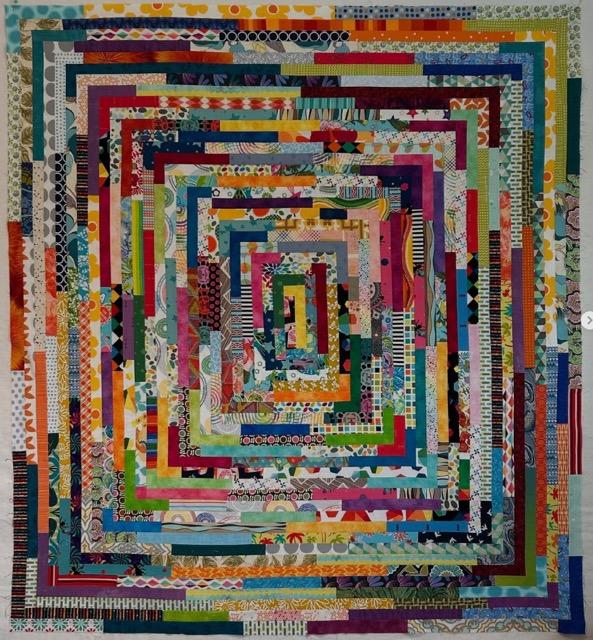
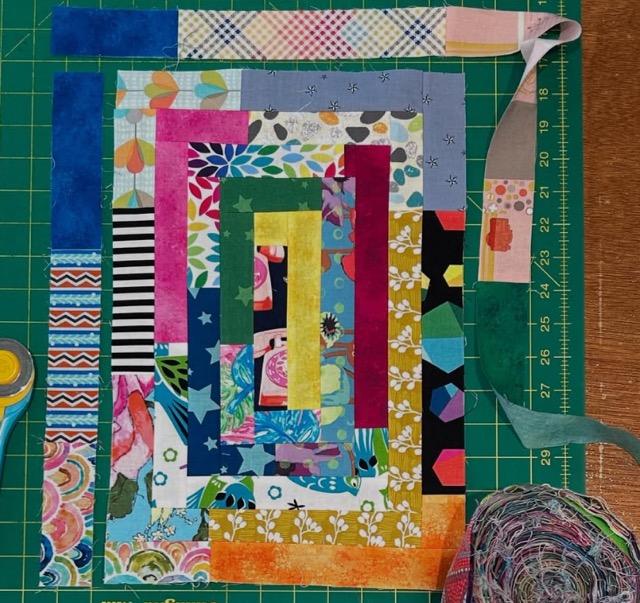
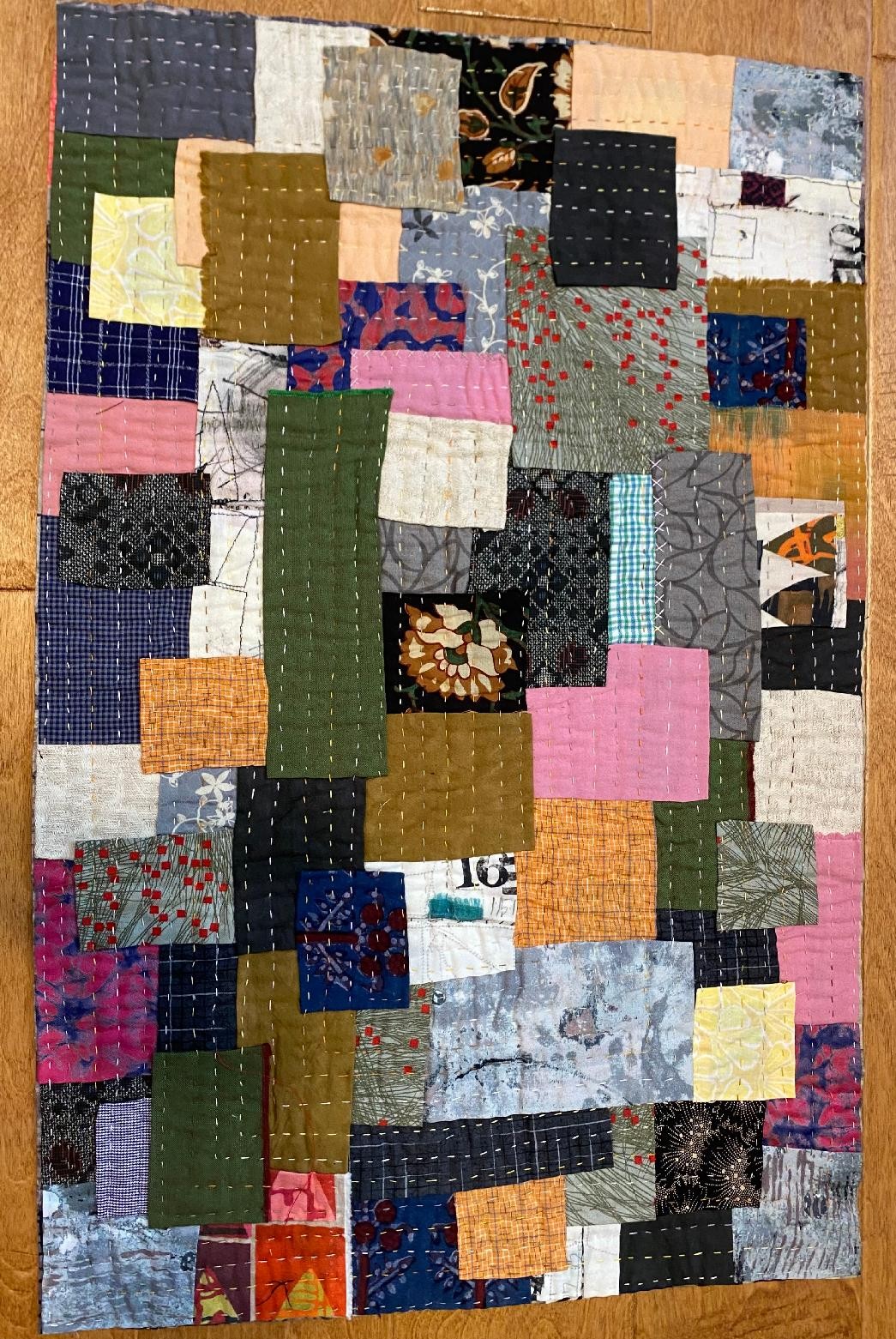
If you have leftover “Jelly Roll” strips, use them and cut more 2.5″ wide strips at random lengths from your scraps.Kawandi are an ancestral craft practiced by the African diaspora in western India. They are made from recycled saris and constructed from the outside in. In this workshop we will be practicing a western style of sewing a Kawandi – a respectful interpretation of this traditional technique.
Supply List:
This is a hand stitching project.
Gather scraps and colorful threads to reproduce your own, unique interpretation of a Kawandi.
Come for the Ranger Cookies but stay for Potato Chips!
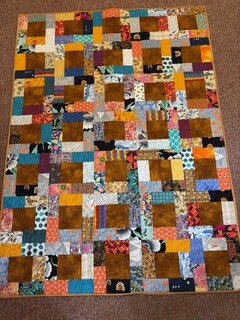
A potato chip in Quilters language means a 2 1/2”x 4 1/2” rectangle. Beginner and scrap friendly these quilts go together easily. And there are many variations for putting the blocks together. Most but not all variations use equal numbers of dark and light chips. As said this is a very scrap friendly quilt but you can always make it a “controlled” scrappy by your choice of fabrics and placement.
SUPPLY LIST:
A 12” block uses 15 “potato chips”; an 8” block uses 8 “potato chips, your choice. Bring enough chips for however big you want your quilt. Half should be light and the other half dark or dark medium. I encourage you to make up baggies of 10 light/10 dark to trade with others to really make it scrappy.
- Basics – Sewing machine, thread, needles, scissors, pins
- Cutting board and rotary cutter and ruler (if you haven’t cut all your pieces)
- Personal iron & mat (I will also bring an iron and ironing board
If you have a pattern in mind bring it and I’ll help you get started otherwise I will have samples for you to work on.
Please bring your hand sewing kit with a thimble (if that’s how you work) and both paper and fabric scissors.
Playing Around with Orphan Blocks
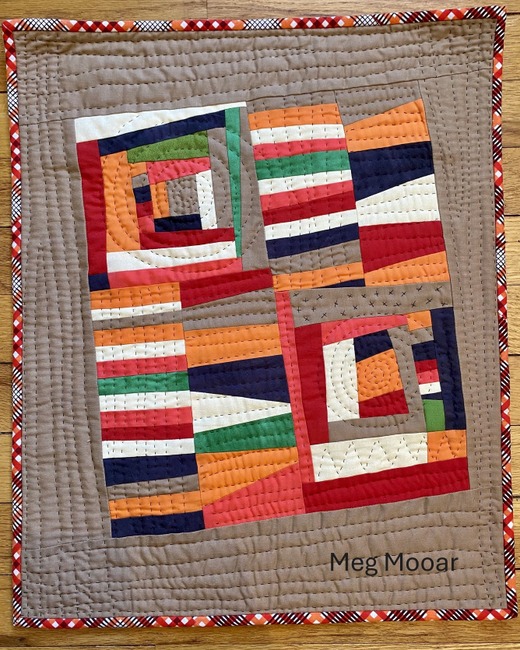
Do you have a collection of orphan blocks and other bits from a workshop or an abandoned project? Are you ready to slice them up and dive into the art of improvisational piecing? We will be using those abandoned bits to explore various improv techniques including ruler free cutting, and create a small piece, a table runner, wall quilt, or panels for a tote bag.
Supply List
- 2 or 3 Orphan blocks that have a pleasing color theme and other “bits” that compliment that palette
- 4-5 Fat quarters of fabrics that fit into your chosen palette. Be sure to bring a range of values – light to dark
- Design wall – a square yard of flannel and blue painter’s tape
- Sewing machine with ¼ inch foot
- Neutral thread – medium grey or khaki
- Rotary cutter with a new blade, cutting mat, and one ruler
What You’ll Learn:
✅ Choosing and preparing fabric
✅ Using rotary cutters, rulers & mats
✅ Sewing quilt blocks with ¼” seams
✅ Pressing and piecing techniques
✅ Making a quilt sandwich (top, batting, backing)
✅ Simple quilting and binding
🎁 Leave with a finished quilt block or mini quilt!
A supply list will be provided upon registration.
*Wait List Only* Karen Eckmeier - Accidental Landscape™: Mountain Views
©2009-2026 Karen Eckmeier karen@quilted-lizard.com www.kareneckmeier.com
Fabric
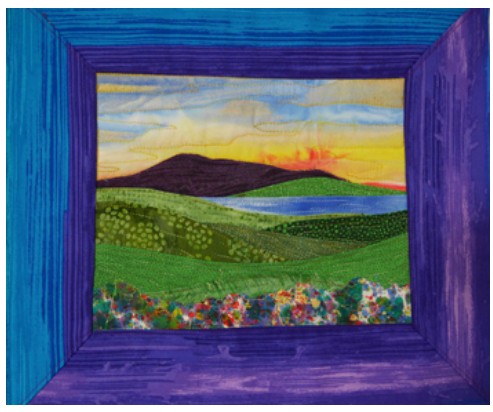
- Sky: ¼ yard “dramatic” fabric with clouds, or sun, or a handpainted fabric. The sky fabric sets the mood for you entire scene, so be sure you love it!
- Rolling Hills: ¼ yard 5-7 greens gradated from light to dark (look for small scale prints – not necessarily “landscape” fabrics. For example: irregular stripes, random dots, mottled, etc. Distant Mountains: scraps or 1/8 yard each of white, gray, medium purple, or gray blue
- Wildflowers (optional): ¼ yard small scale floral that looks like growing flowers
- Lake/River: blues OR use a section of the sky fabric (the reflection of the sky is usually visible in the water)
- Outer Border: ¼ yard your choice – dark neutrals, such as black, brown and gray work nicely as borders that act as picture frames or a window frame to surround the scene.
Here’s another surprisingly simple quilted scene using Karen’s layered topstitching technique. Gentle rolling hills of green fabric strips combine with distant peaks to create peaceful vistas. Include a lake or a field of wildflowers. The variations are endless! You will also learn how to embellish the landscape with beads, yarn and Angelina fibers to give it sparkle.
Finished size: approx. 9” x 12” without borders (size varies)
To view color photos of this workshop go to pages 8-13 and 50-51 in the Accidental Landscapes book.
Supplies
- Sewing Machine (Featherweights are fine)
- Rotary cutter, ruler, and mat
- Iron and ironing pad (mini iron will work)
- Threads for topstitching – select threads to match fabrics or use variegated threads
- Neutral thread for bobbin
- Fabric scissors
- Pins (I recommend the long flower head pins)
- Fabric glue (for adding optional details)
- Ruler for rotary cutting borders
- Quilter’s Square for squaring piece (only if you already own one)
- Book: Accidental Landscapes by Karen Eckmeier $21.95 (highly recommended but not required)
Most students get to the quilting stage in both the 3 hour and 6 hour workshops, this is what you will need:
- Threads for quilting (machine or hand)
- Needles for machine quilting or hand quilting
- 100% cotton batting (approx. 18” x 22”) + half yard fabric for backing
- “Walking Foot” and/or Darning Foot for Machine quilting
- Pins for Basting (for tiny quilts like these, pins are great)